
Buyer's guide
How to Buy a Conservation Shophouse in Singapore: A Step-by-Step Guide
Everton Estate · 28 September 2026 · 7 min read
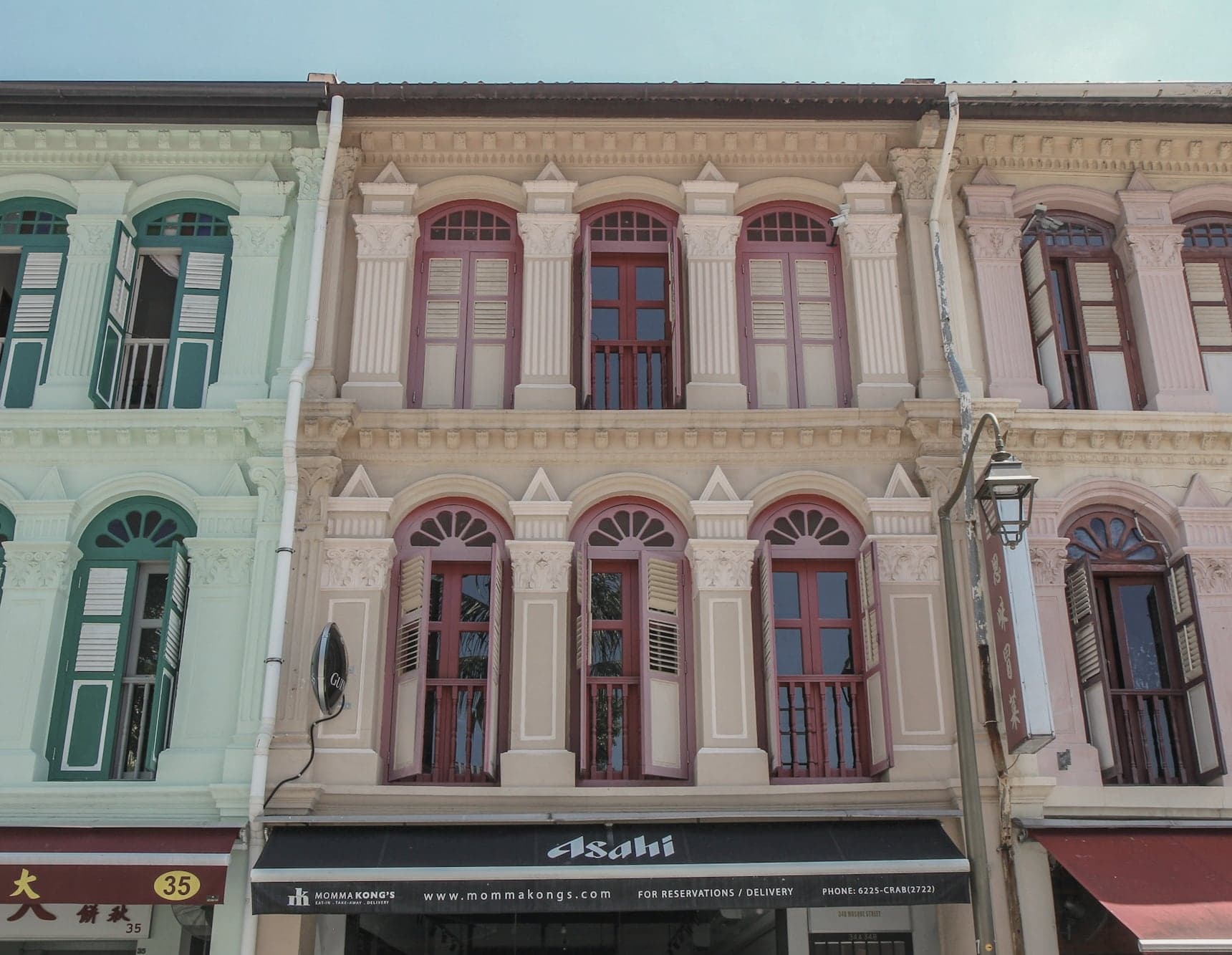
Conservation shophouses are one of Singapore's most sought-after property types. Supply is fixed — no new ones can be built — and many carry freehold or 999-year tenure. But every shophouse is different, and the details decide what it is worth. Here is how we take clients through a purchase.
1. Start with zoning and approved use
The first question is what the building may legally be used for. A shophouse may be zoned commercial, residential or a mix, and each floor can have a different approved use — for example, F&B on the ground floor and office above. Uses such as restaurants, bars or nightlife are only allowed on certain streets and floors, and need planning approval from URA.
- ◆Commercial-use shophouses are open to foreign buyers and carry no ABSD.
- ◆Shophouses with a residential portion are treated as residential for that portion.
- ◆Always check the approved use against the tenant's actual business — rent is only as secure as the approval behind it.
2. Check the tenure
Shophouses come as freehold, 999-year leasehold or 99-year leasehold. Freehold and 999-year tenures are the most prized and hold their value best. For 99-year leases, the years remaining affect both price and how much a bank will lend.
3. Know the conservation category
URA groups conservation areas into Historic Districts (such as Chinatown, Boat Quay, Kampong Glam and Little India), Residential Historic Districts and Secondary Settlements (such as Joo Chiat, Geylang and Jalan Besar). The category decides how much you can change — in particular whether a rear extension is allowed and how tall it can be. That can make a large difference to usable floor area and value.
4. Do your due diligence
- ◆Title search: confirm ownership, tenure and any caveats or encumbrances.
- ◆Planning records: approved use for each floor and any past approvals for changes.
- ◆Tenancy: rent, lease expiry, renewal options and the tenant's track record.
- ◆Condition: roof, structure, timber elements and services — older buildings need a proper inspection.
- ◆Floor area: land area versus built-up area, and whether any extension is approved.
5. Budget for stamp duty and GST
Buyer's Stamp Duty is charged on the higher of the price or market value. For a full commercial shophouse, the non-residential rates apply and there is no ABSD. If the seller is GST-registered, GST at 9% is also payable on commercial property.
| Portion of price (or market value) | Non-residential | Residential |
|---|---|---|
| First S$180,000 | 1% | 1% |
| Next S$180,000 | 2% | 2% |
| Next S$640,000 | 3% | 3% |
| Next S$500,000 | 4% | 4% |
| Next S$1,500,000 | 5% | 5% |
| Remaining amount | 5% | 6% |
Example: on a S$10,000,000 full commercial shophouse, BSD works out to S$469,600. A residential portion, if any, is charged at residential rates and may attract ABSD.
6. Arrange financing early
Banks lend on commercial shophouses, but the loan amount and tenure depend on the bank, the property's tenure and use, and your profile. Get an in-principle approval before you make an offer.
7. Offer, option and completion
Once terms are agreed, the seller grants an Option to Purchase. You exercise it within the option period and your lawyer handles completion. Stamp duty must be paid within 14 days of signing.
Sources
This article is general information based on official sources as at 28 September 2026. It is not legal, tax or financial advice. Rules change — please verify with the relevant authority or a qualified adviser before making a decision.